As the world continues to grapple with the impacts of climate change, a recent climate analysis by leading meteorologists has unveiled concerning predictions for weather patterns expected in 2026. This report highlights the urgency of addressing climatic shifts and their potential consequences on global economies, ecosystems, and human health.
Changing Weather Patterns Ahead
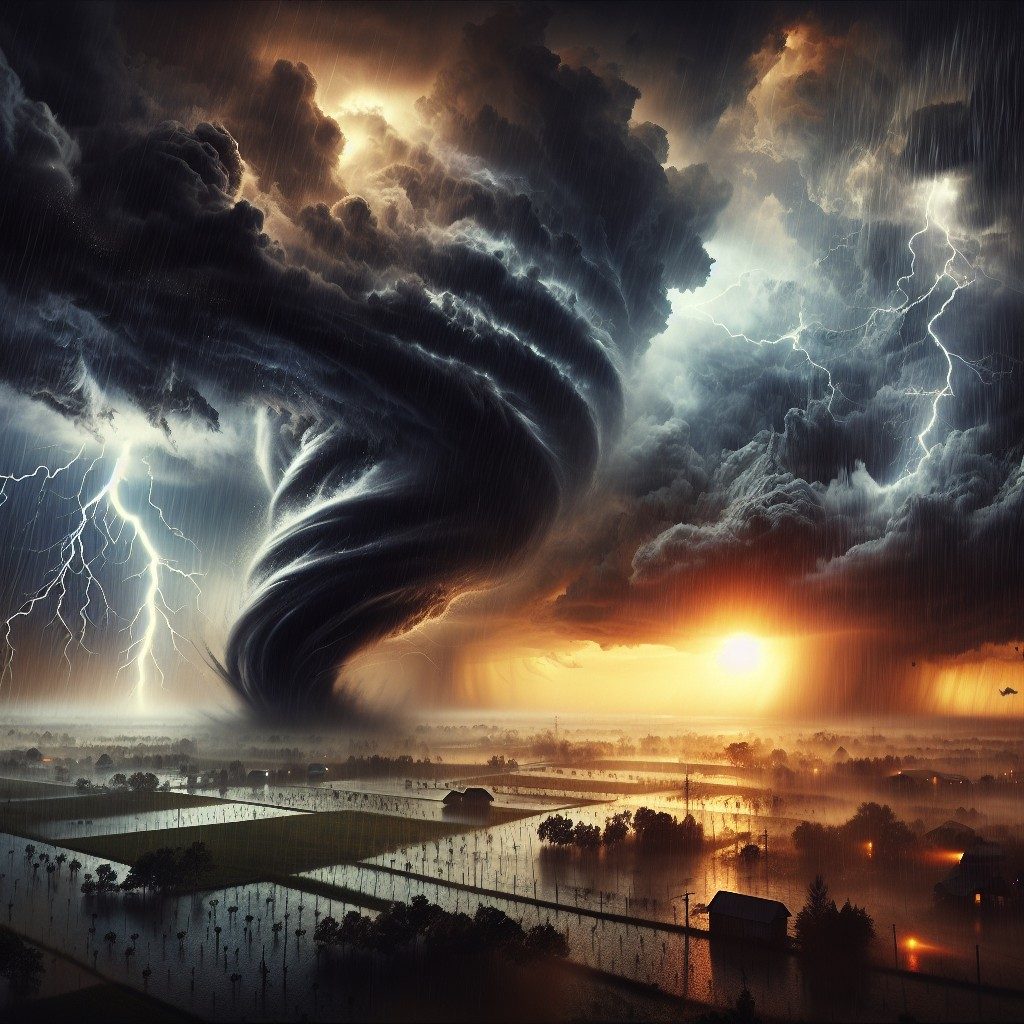
Experts have noted that the year 2026 could represent a significant turning point characterized by unprecedented weather phenomena. Severe droughts, intensified storms, and rising sea levels have been highlighted as major elements of the climate analysis, all of which are predicted to disrupt agriculture, displace populations, and strain infrastructure. The connection between stronger El Niño events and the anticipated weather conditions underscores the complex nature of global weather systems and climate variability.
Impacts on Agriculture and Food Security
Climate analysis indicates that altered weather patterns in 2026 may impact agricultural productivity across various regions. Unpredictable rainfall and extended droughts could diminish crop yields, threatening food security in vulnerable areas. For example, countries reliant on stable weather patterns for their staple crops may experience significant economic losses. Furthermore, livestock health could also be compromised by changing temperatures and availability of grazing lands.
Global Cooperation Required for Mitigation
The alarming predictions outlined in the climate analysis reinforce the need for global collaboration in addressing climate change. Experts argue that international agreements, such as the Paris Agreement, must tighten their goals to effectively manage the increasing risks posed by climate variability. Governments, NGOs, and private sectors are called upon to develop sustainable strategies that increase resilience to climate-related shocks, ensuring that communities are prepared for the unpredictability of future weather patterns.
Frequently Asked Questions about Climate Analysis
What is climate analysis and why is it important?
Climate analysis involves the study of climate data to identify trends and make predictions about future climate conditions, which is vital for planning and policy-making.
How does climate analysis predict weather patterns?
Experts use models and historical data to perform climate analysis, allowing them to predict future weather patterns and their potential impacts.
What effects can the results of climate analysis have on communities?
Community responses can vary greatly; climate analysis can lead to increased preparedness, awareness, and policy changes aimed at mitigating potential impacts.
How often do experts conduct climate analysis?
Experts conduct climate analysis regularly, often releasing reports annually or biannually to keep track of changing climate conditions.
What should policymakers consider from climate analysis?
Policymakers should consider the implications of climate analysis on disaster preparedness, resource allocation, and long-term sustainability goals.