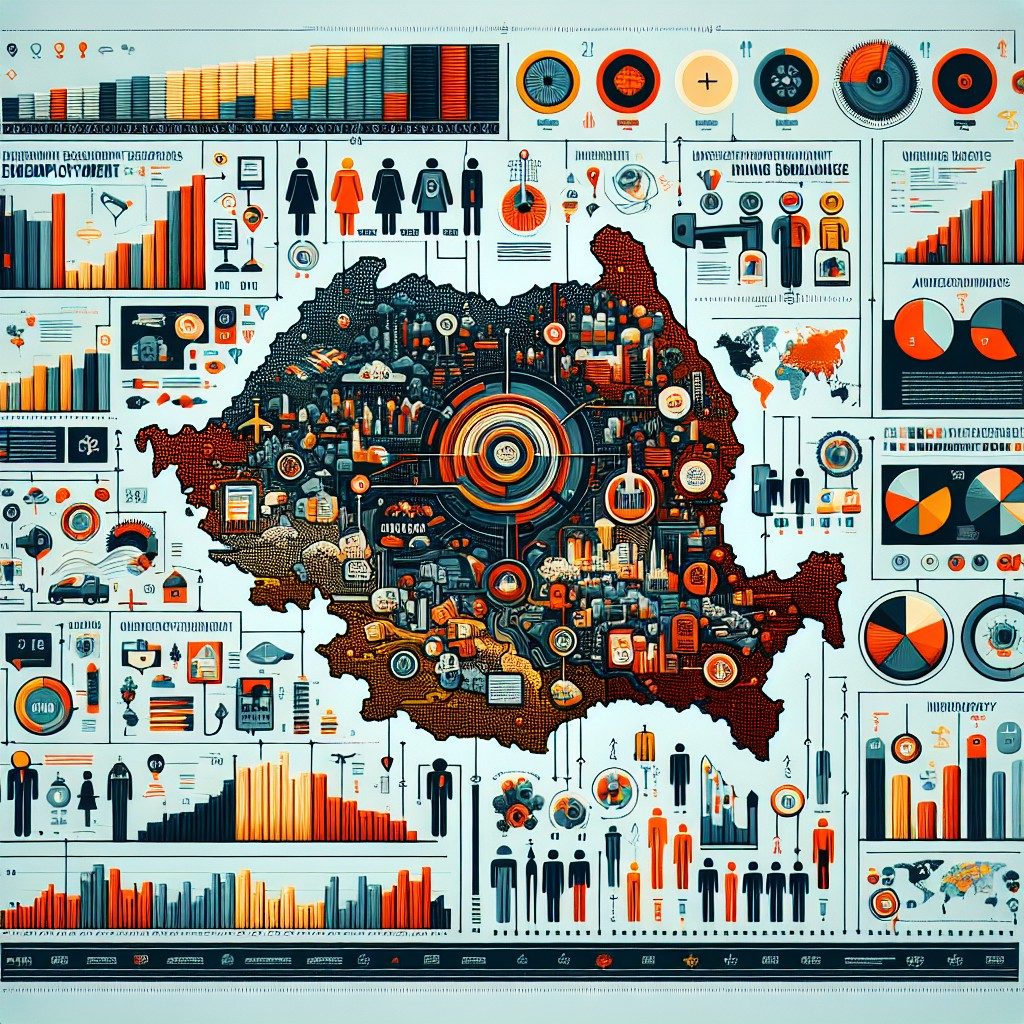
A recent study published by the Global Health Organization has unveiled unexpected trends in health data that could reshape public health strategies in the upcoming years. With projections extending to 2026, these findings highlight significant shifts in health-related behaviors, disease prevalence, and access to healthcare worldwide.
Key Findings from the Latest Health Data
The study leverages extensive data collected from various countries, indicating an alarming rise in chronic diseases such as diabetes and hypertension. Researchers analyzed health data over a decade, noting an increase in obesity rates among all age groups. This trend, combined with changes in dietary habits and physical activity levels, offers critical insights for policymakers.
Implications for Public Health Policies
As the health data suggests a looming crisis in chronic disease management, health authorities are urged to rethink current public health policies. Experts recommend implementing more robust preventative initiatives aimed at education and lifestyle changes. The need for integrating mental health support with physical health has also emerged as a priority, suggesting that health interventions should adopt a more holistic approach.
The Future of Health Data Analysis
Looking forward, the importance of data in shaping health policies cannot be overstated. The study emphasizes the necessity for continuous collection and analysis of health data to inform effective healthcare strategies. With advancements in technology, the capacity for real-time health monitoring is on the rise, which could lead to more timely and effective public health responses. For further insights into health data trends, the World Health Organization offers valuable resources and information.
Frequently Asked Questions about Health Data
What is health data and why is it important?
Health data refers to information related to health status, access to healthcare, and health outcomes. It is crucial for understanding public health trends and formulating effective health policies.
How is health data collected?
Health data is collected through various means including surveys, electronic health records, and public health registries, helping to build a comprehensive picture of population health.
What trends are being observed in recent health data?
Recent health data indicates an increase in chronic diseases, particularly related to lifestyle factors such as diet and exercise, which is concerning for future public health.
How can health data influence healthcare policies?
Health data provides evidence-based insights that can shape healthcare policies, ensuring that resources are allocated effectively to meet the needs of the population.
Where can I find reliable health data?
Reliable health data can be found through organizations like the World Health Organization, government health departments, and academic research studies that focus on public health.